Buying your first home in Reseda can feel like trying to solve a puzzle with moving pieces. You are balancing budget, competition, inspections, disclosures, and the big question of what life will really look like after closing. The good news is that Reseda can be a realistic entry point into the Los Angeles market, and with the right expectations, you can move forward with more confidence. Let’s dive in.
Why Reseda gets first-time buyers' attention
For many first-time buyers, Reseda stands out because it tends to be more attainable than the broader Los Angeles market. Recent spring 2026 data places typical Reseda home prices in the mid-$700,000s to low-$800,000s, with reported figures ranging from about $775,000 to $792,284 depending on the source and method used. By comparison, the Los Angeles metro typical home value was reported at $962,935 in March 2026.
That does not mean Reseda is easy or slow. Market trackers still describe the area as competitive, with homes moving in a matter of weeks in many cases. Depending on the data source, median days on market ranged from about 20 to 50 days, which means you should be ready to act when the right home appears.
What home prices look like in Reseda
When you start shopping, you may notice that pricing numbers vary from site to site. That is normal because some platforms report closed sales, some track list prices, and others estimate modeled home values. In Reseda, those different approaches still point to the same general price band.
A practical takeaway is this: if you are buying your first home in Reseda, it helps to build your search around a realistic budget rather than one headline number. You may see detached homes, condos, and townhomes priced differently based on condition, size, and updates, so your buying power can stretch in different ways depending on the property type.
What kinds of homes you will likely see
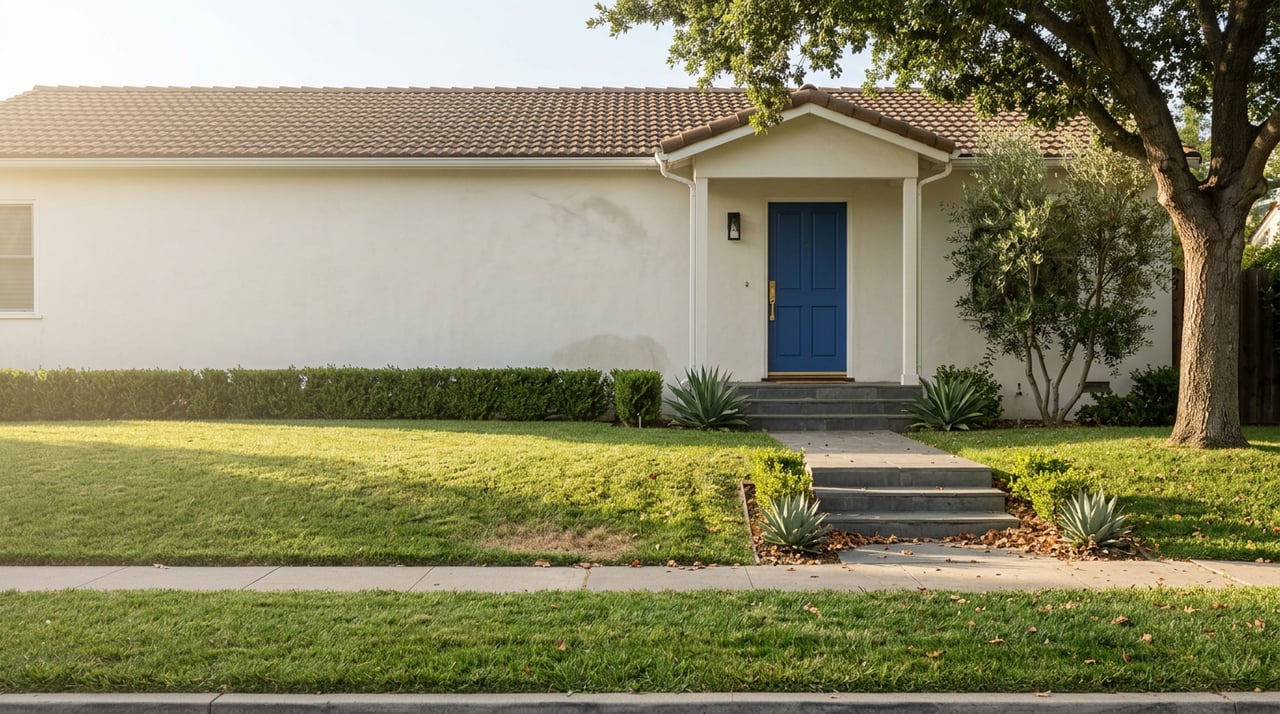
Reseda has an older and more varied housing stock than some buyers expect. One local housing profile shows a median year built of 1963, and the area includes single-family homes, smaller multi-family properties, larger multi-family buildings, and mobile-home categories. That mix gives you options, but it also means older systems and varied property conditions are part of the conversation.
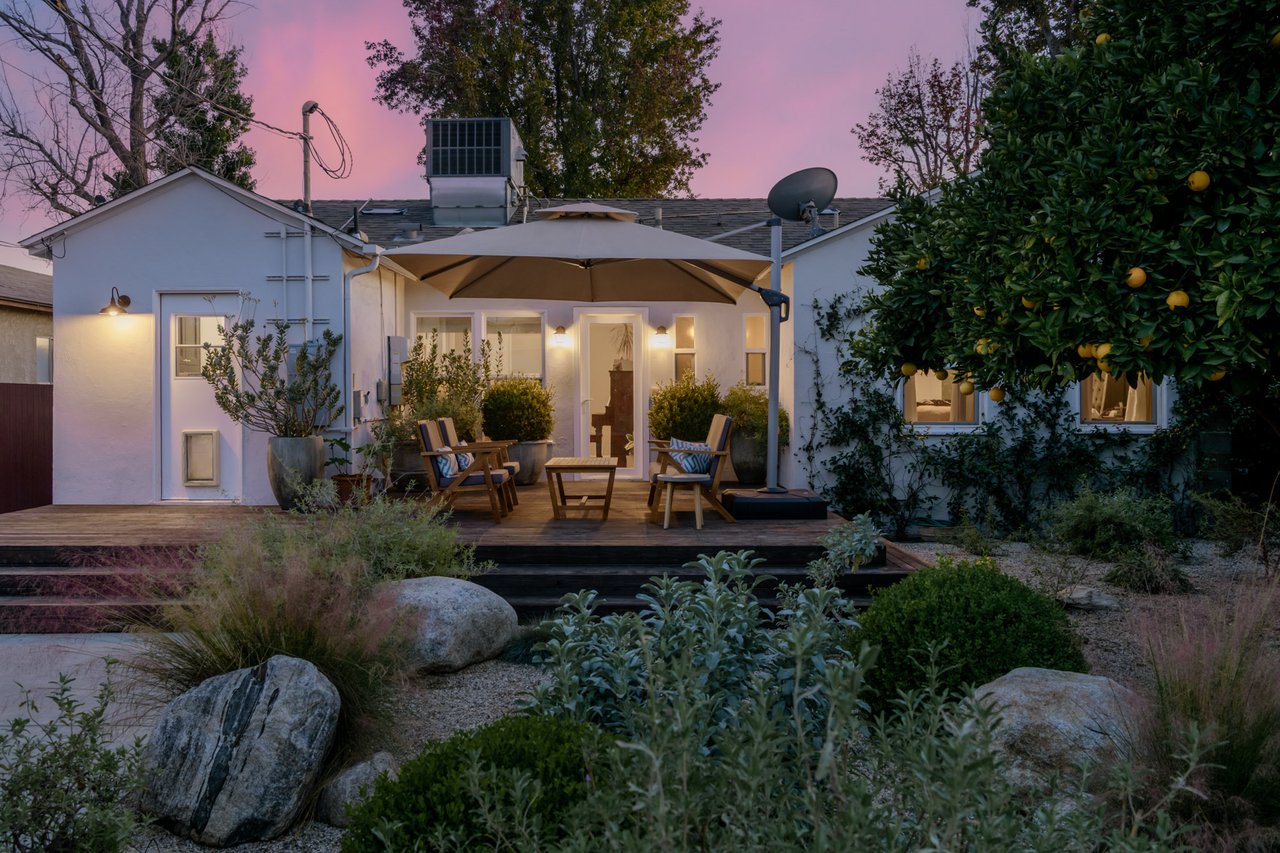
As a first-time buyer, you may find yourself comparing a detached house with a condo or townhome. A detached home may offer more privacy and yard space, while an attached home may offer a lower purchase price or less exterior maintenance. The tradeoff often comes down to your budget, your maintenance comfort level, and how much flexibility you want after move-in.
Older homes mean more due diligence
Because many Reseda homes were built decades ago, due diligence matters. Older does not automatically mean problematic, but it does mean you should pay close attention to the condition of major systems and to the home’s paper trail. Remodels, additions, and repairs may have happened over many years, and not all work is equally documented.
If a home was built before 1978, lead-based paint disclosures can also come into play. Buyers can receive known lead information before becoming obligated to buy, and there can be a 10-day window to have a certified inspector or risk assessor evaluate lead-based paint hazards. That is one more reason to stay organized and ask questions early.
What to inspect before you commit
The California Department of Real Estate recommends focusing on the home’s electrical, plumbing, and structural integrity. For a first-time buyer, that is a helpful place to start because these are the issues that can affect safety, function, and future repair costs. Hiring a qualified inspector can help you understand what you are really buying before your contract becomes final.
Your inspection period is also one of your biggest opportunities to negotiate. An offer can include contingencies related to loan qualification, repairs, pest control inspections, home inspections, and home warranty programs. In plain terms, that means you may be able to request repairs, credits, or other solutions if the inspection reveals significant issues.
Why permit history matters in Los Angeles
A home can look beautifully updated and still raise questions behind the scenes. In Los Angeles, permit history is worth reviewing so you can better understand what work was done, whether inspections were completed, and whether any code-related issues appear in the property records.
Los Angeles building records tools can help buyers review permits, site plans, inspections, and code-enforcement documents. This can be especially useful if you are looking at a home with an added bedroom, converted garage, remodeled kitchen, or other visible upgrades. The goal is not to panic over every old project, but to make sure the home’s condition and records tell a consistent story.
Condos and townhomes come with extra documents
If you are considering a condo or townhome in Reseda, expect a longer document review process. Common-interest properties may include HOA dues, special assessments, and other shared financial obligations. The California Department of Real Estate also notes that buyers in these communities should receive a public report covering items such as utilities, title, zoning, use restrictions, hazards, and financial arrangements.
This does not make condos or townhomes a bad first purchase. In fact, they can be a strong entry point for buyers who want a lower price point than many detached homes. It simply means you should look beyond the monthly payment and understand the full cost and structure of ownership.
A note on soft-story retrofit questions
If you are buying into a multi-story wood-frame building, especially one with ground-floor parking or other open space at the base, soft-story retrofit issues may matter. Los Angeles has a mandatory retrofit program for certain older buildings because these structures performed poorly in past earthquakes without strengthening. This topic is more relevant for some condo or apartment-style buildings than for a typical detached house.
If a property type raises this issue, it is worth asking what work has been completed and what records are available. That can help you understand both the building’s status and any possible financial implications tied to the property.
How much cash you should plan for
One of the biggest surprises for first-time buyers is that your cash need goes beyond the down payment. The California Department of Real Estate says buyers should generally be prepared for a down payment of 5% to 20% plus another 3% to 7% for closing costs. On top of that, it is wise to budget for inspections and a repair reserve.
That does not mean you need to have every future expense solved on day one. It does mean you should go into your search with a full-picture budget. When you know your comfort zone early, it becomes easier to shop with focus and avoid falling in love with homes that strain your finances.
What the local buying process usually looks like
For most first-time buyers, the process starts with lender conversations before home shopping begins. Preapproval helps you understand your price range and gives you a clearer path when you are ready to make an offer. It also helps you act faster in a competitive market.
Once you are under contract, escrow becomes the central hub of the transaction. Escrow is a neutral third party that holds documents and money, makes sure contract terms are met, and coordinates recording. This is also where disclosures, inspections, lender conditions, title work, and final signing come together.
Title insurance is another part of the process that first-time buyers often hear about without fully understanding. According to the California Department of Real Estate, title insurance protects buyers and lenders against unknown title defects. In simple terms, it helps reduce risk tied to ownership history and recorded claims.
Do not overlook property taxes after closing
Many first-time buyers plan for the mortgage and closing costs but miss one important local detail: supplemental property tax bills. In Los Angeles County, annual secured property tax bills are mailed once a year starting around October 1. New owners are also responsible for any taxes left unpaid at closing.
After a change in ownership, the county may issue supplemental secured property tax bills in addition to the annual bill. These bills go to the property owner even if there is an impound account. The standard delinquency dates on the annual bill are December 10 and April 10, so this is an area where good planning can save you from an unpleasant surprise.
What first-time buyers should expect emotionally
Buying your first home in Reseda is not just a financial decision. It is also a process filled with waiting, decision-making, and moments where you may second-guess yourself. That is normal, especially in a market where homes can move quickly and older properties may come with more disclosures than you expected.
The key is not to know everything on day one. The key is to understand the big milestones, ask smart questions, and stay grounded in your budget and priorities. When you do that, the process starts to feel less overwhelming and much more manageable.
If you are thinking about buying your first home in Reseda, having a local guide can make the process feel clearer from the start. Meghan Nyback offers hands-on buyer support across the San Fernando Valley with the local context and transaction guidance that help first-time buyers move forward with confidence.
FAQs
How competitive is the Reseda housing market for first-time buyers?
- Reseda is often seen as a more attainable entry point than the broader Los Angeles market, but it is still competitive, with reported market times ranging from about 20 to 50 days depending on the data source.
How much money do first-time buyers need to buy a home in Reseda?
- A common planning range is 5% to 20% for the down payment plus 3% to 7% for closing costs, along with money for inspections and repair reserves.
What should buyers inspect first in older Reseda homes?
- Focus first on electrical, plumbing, and structural integrity, then review disclosures and permit history to better understand past repairs, remodels, or additions.
What should buyers know about Reseda condos and townhomes?
- Condos and townhomes may include HOA dues, special assessments, and a larger disclosure package, including a public report that outlines key details about the community and property.
When do property tax surprises happen after buying in Los Angeles County?
- Many buyers see surprises after closing when supplemental secured property tax bills are issued following a change in ownership, in addition to the regular annual property tax bill.