If you are looking for a lower entry point in Oakland, Highland Park may already be on your radar. This hillside area offers older housing stock, a mix of property types, and pricing that sits below Oakland’s citywide average, but that does not automatically make every deal a smart one. If you want to invest with more clarity, this guide will help you understand what to watch, what to verify, and where public data can help you make a more informed decision. Let’s dive in.
Why Highland Park Gets Investor Attention
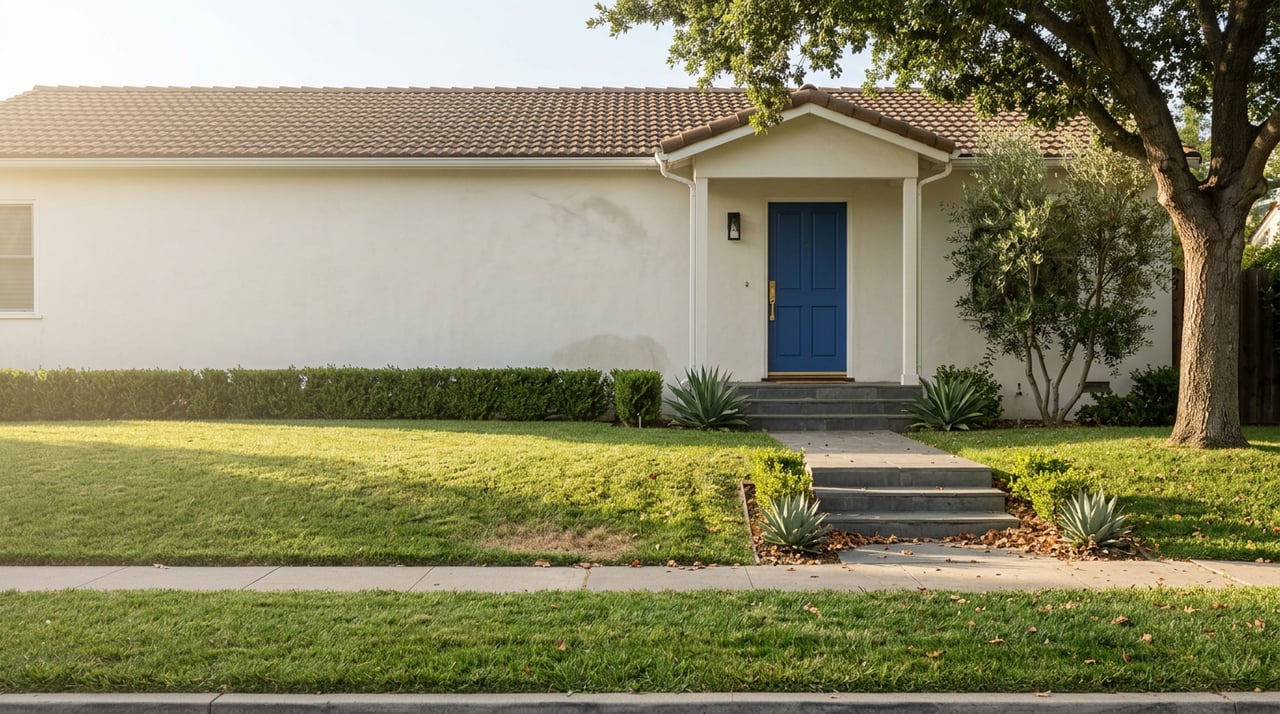
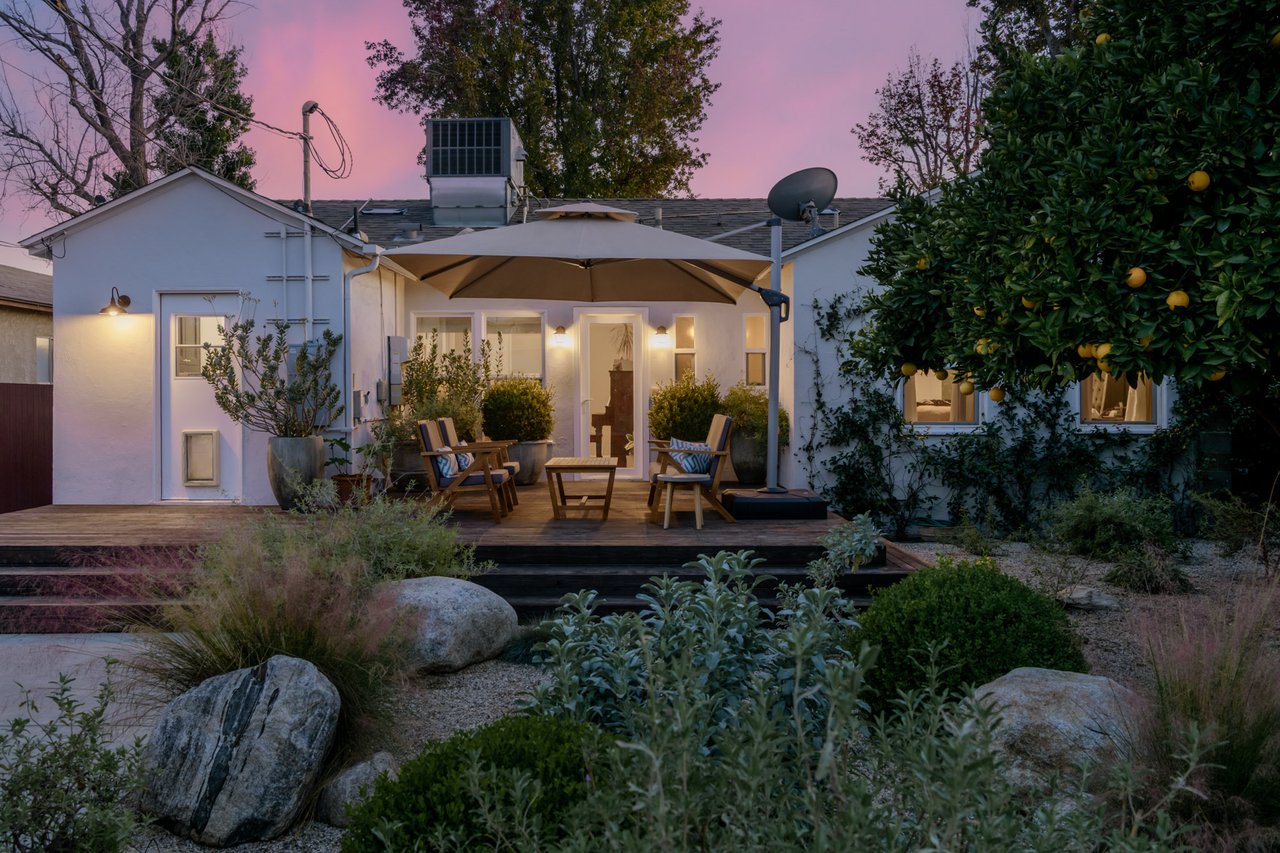
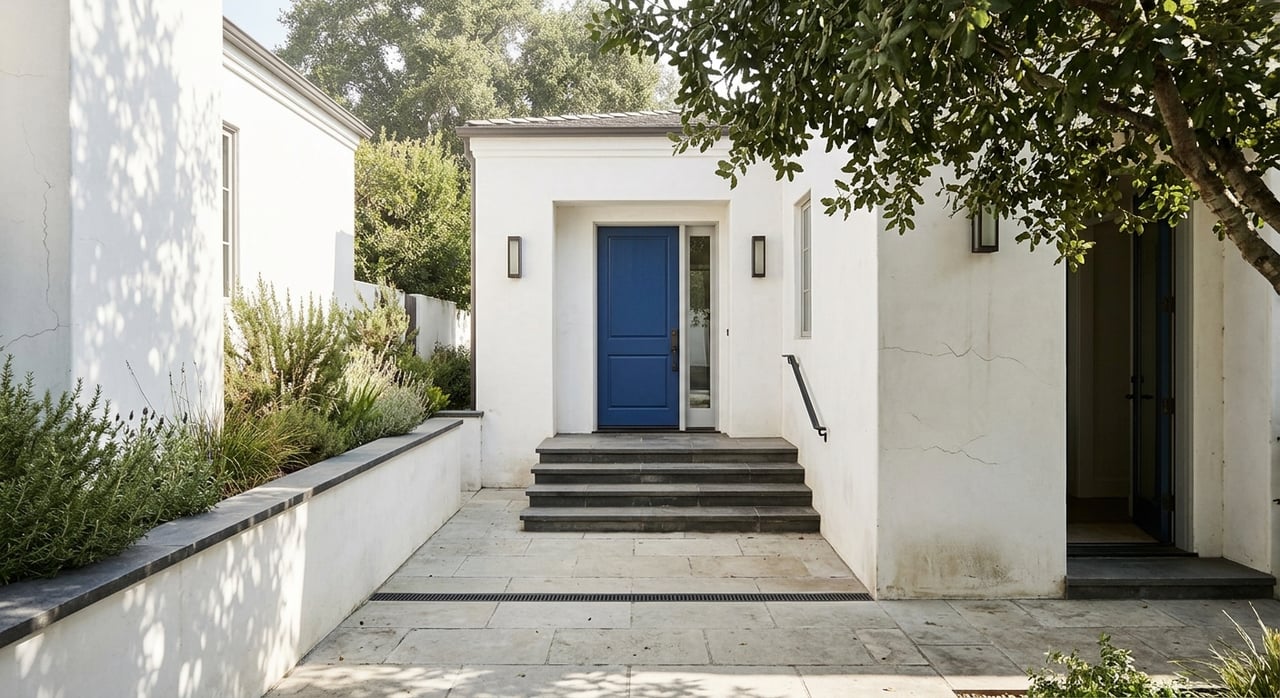
Highland Park sits in Oakland’s hilly east-side residential area, above Park Boulevard. City heritage materials describe older homes in the neighborhood, including examples from the early 1900s such as a 1905 to 1907 Colonial Revival house and a 1911 Craftsman bungalow. For you as an investor, that points to character and potential, but also to the need for careful maintenance review.
One reason Highland Park stands out is price. Zillow shows the average home value in Highland Park at $638,896 as of March 31, 2026, compared with $716,248 for Oakland overall. That puts Highland Park at about 10.8% below the city average, which may create a more approachable starting point if you want to buy in Oakland.
Still, lower entry price should not be confused with lower risk. In an older neighborhood, your returns may depend less on headline appreciation and more on the details of the property itself, especially legal unit count, condition, permit history, and rental compliance.
What Property Types You May Find
Highland Park does not appear to be a one-size-fits-all market. Public listings show a range that includes larger single-family homes and small multifamily properties. Recent examples include a 7-bedroom, 5-bath house and a 4-unit multifamily property built in 1952.
That mix matters because it gives you more than one possible investment path. Depending on the property, you may be looking at a traditional house, a small income property, or an older home that has been altered over time. Each comes with a different risk profile and a different due diligence checklist.
City planning materials also support the idea that mixed residential forms are common in Oakland. In areas with zoning intended to support a blend of single-family homes, duplexes, townhouses, and small multi-unit buildings, strategies involving small multifamily assets or accessory units can become especially relevant. That said, the property still has to support the plan legally and physically.
Older Homes Can Mean Opportunity and Extra Work
Older housing stock can create room for value-add improvements, but it can also hide expensive surprises. In Highland Park, city materials reference historic homes on smaller lots and properties that were later expanded or adapted. That means you should be especially careful about assuming every bedroom, unit, or layout change was done with proper approval.
When you underwrite an older property here, it is smart to budget conservatively. Roof issues, drainage concerns, older electrical and plumbing systems, foundation work, and access or parking limitations can all affect your numbers. Hilly sites and narrow streets can add another layer of complexity.
This is where discipline matters. A property that looks attractive at first glance can become much less appealing if your rehab budget grows or if the unit configuration is not what the listing suggests.
Rentability Depends on More Than Price
A lower purchase price does not always mean strong cash flow. Public Highland Park rental examples include a 1-bedroom at $1,950, a 2-bedroom at $2,550, and a 3-bedroom at $2,800. Those figures sit near Oakland’s citywide average rent of $2,527, which suggests Highland Park may look more compelling on entry price than on rent growth alone.
For you, that means the deal math needs to be property-specific. You cannot rely on neighborhood averages to tell the whole story. A legal fourplex with stable long-term rental potential is very different from an older home with an unverified in-law layout.
This is also why investors often focus on rentability levers like legal accessory dwelling units, improved layouts, or better condition. But any upside plan only works if it aligns with local rules and the property’s actual permit history.
Check Unit Legality First
Before you make assumptions about rental income, verify the building and unit count. The Alameda County Assessor’s Parcel Viewer can help you review assessed value, parcel map, and property characteristics. The Clerk-Recorder’s public records search can help confirm deeds and transfers.
In Oakland, you should also review the city’s Online Permit Center and zoning map. Most construction or conversion work requires permits, and in an older neighborhood, that matters a lot. If a property has been expanded, split into more units, or marketed with bonus space, you want public records to support what you are seeing.
This step can save you from one of the most common investor mistakes: underwriting income from space that may not be legal to rent as represented.
Understand Oakland Rental Rules Before Closing
If you plan to rent out a property in Highland Park, Oakland’s local rules need to be part of your analysis from day one. The city requires annual rent registration renewal by March 1 for covered units. It also says that owners of most rental properties built more than 10 years ago are subject to one or both of the city’s rental ordinances.
Oakland also requires rental property owners to register for and renew an annual business tax certificate, with business tax based on gross rental receipts. For covered units, the allowable annual rent increase is 0.8% for increases effective from August 1, 2025 through July 31, 2026. If your deal depends on aggressive rent growth, that cap should be part of your underwriting.
The city is also a just-cause eviction city. Oakland says its ordinance applies to all units covered by the Rent Adjustment Program, and that its just-cause rules apply to most rental units built more than 10 years ago, including rented single-family homes and condominiums. Building age matters, and so does whether the unit falls under local or state protections.
ADUs and Added Units Need Careful Review
Accessory dwelling units can be part of a long-term rental strategy, but you should not assume every backyard structure or lower-level unit qualifies. Oakland states that ADUs may be rented only for long-term stays of 30 days or longer and require a business license. That makes them potentially useful for steady rental income, but only when the setup is legal and compliant.
If your investment thesis depends on adding units, do not skip the upfront zoning and permit review. Oakland says projects that create a new duplex or a 3-to-4-unit project require design review and a building permit. In other words, projected future rent should not go into your numbers until you have confirmed the path.
This is one of the biggest differences between a hopeful deal and a well-supported one. You want your upside based on facts, not assumptions.
A Smart Workflow for Evaluating a Deal
If you are comparing opportunities in Highland Park, a simple public-data workflow can help you screen properties faster and more carefully.
Start With Pricing and Rent Context
Use neighborhood-level pricing and rent examples to understand the broad picture. Highland Park’s average home value is below Oakland’s city average, while public rent examples sit closer to citywide rent levels. That can help you spot whether a property looks appealing because of price, income potential, or both.
Verify the Property Record
Check assessor records, deed history, and city permit information. Confirm whether the property is a legal single-family home, duplex, triplex, fourplex, or something that has been modified over time. In an older neighborhood, this step is essential.
Review Zoning Before Underwriting Upside
If your plan includes an ADU, added unit, or major remodel, review the zoning map and permit path before you count that future income. Oakland’s public planning tools are the right place to start. Design review and permits may affect cost, timing, and feasibility.
Budget Conservatively for Condition
Treat older-building risk seriously. Build room in your numbers for repairs and system upgrades, especially if the property sits on a hillside or a constrained lot. Conservative underwriting can protect you from overpaying for a project that looks easier on paper than it is in real life.
Confirm Rental Compliance
Before closing, check whether the property needs rent registry registration, whether business tax and Rent Adjustment Program fees are current, whether just-cause rules apply, and whether every rentable unit is legal. This helps you avoid stepping into compliance issues after the sale.
Is Highland Park a Good Fit for Your Strategy?
Highland Park may appeal to you if you want an Oakland entry point with older housing stock and a mix of houses and small multifamily options. The neighborhood’s pricing, relative to Oakland overall, can make it worth a closer look. But the strongest opportunities are likely to be the ones where unit legality, permit history, condition, and rental rules all line up.
If you are hoping for an easy, plug-and-play investment, Highland Park may require more homework than you expect. If you are comfortable doing careful due diligence and underwriting older properties conservatively, it may offer useful opportunities in a market where details matter.
The key is to treat public data as a screening tool, not a final answer. When you pair that data with thoughtful review and local guidance, you give yourself a much better shot at making a confident decision.
If you want help evaluating opportunities with a practical, detail-first approach, connect with Meghan Nyback for guidance that keeps your goals, numbers, and next steps in focus.
FAQs
What is the average home value in Highland Park, Oakland?
- Zillow shows Highland Park’s average home value at $638,896 as of March 31, 2026.
How does Highland Park pricing compare with Oakland overall?
- Zillow shows Oakland’s average home value at $716,248 as of March 31, 2026, which puts Highland Park at about 10.8% below the city average.
What property types can you find in Highland Park, Oakland?
- Public listings and city materials suggest a mix of single-family homes, larger houses, and small multifamily properties such as fourplexes.
What rental rules should investors check in Oakland before buying?
- You should review rent registration requirements, business tax obligations, Rent Adjustment Program rules, just-cause eviction rules, and whether each unit is legal to rent.
Can you rent out an ADU in Oakland, California?
- Oakland says ADUs may be rented only for long-term stays of 30 days or longer and require a business license.
Why is permit history important for Highland Park investment properties?
- Highland Park includes older homes that may have been expanded or converted over time, so permit records can help confirm legal unit count and whether past work was properly approved.