Thinking about trading Los Angeles traffic and density for more space, a slower pace, and easier access to the outdoors? If Thousand Oaks is on your shortlist, you are not alone. For many LA-area movers, the big question is not whether Thousand Oaks is appealing, but whether the lifestyle shift, commute, and housing costs make sense for your day-to-day life. This guide will help you weigh the real trade-offs so you can decide with confidence. Let’s dive in.
Why Thousand Oaks Draws LA Buyers
Thousand Oaks offers a very different feel from much of Los Angeles. It is a Ventura County city with a population of 124,229 spread across 55.26 square miles, which creates a lower-density, more suburban setting than many LA neighborhoods. Census data also shows a 70.8% owner-occupied housing rate, which supports its strong residential character.
If you are looking for a place that feels more self-contained, that is a big part of the appeal. The city is known for open space, recreation, and community resources rather than a dense urban environment. For many buyers moving from Los Angeles, that difference is exactly the point.
Space and Lifestyle Trade-Offs
One of the biggest reasons people relocate from Los Angeles to Thousand Oaks is lifestyle. The city reports more than 15,000 acres of natural, publicly owned open space within its boundaries and about 150 miles of trails. A practical way to think about it is simple: you are often choosing more room and outdoor access in exchange for being farther from LA’s core.
That lifestyle extends beyond hiking and scenery. Conejo Recreation and Park District maintains more than 50 parks and recreation facilities, along with classes and community events throughout the year. The result is a suburban environment with plenty to do locally, without feeling cut off.
For households that want a calmer daily rhythm, this matters. You may find that errands, recreation, and weekend plans feel easier to manage when so much is nearby. If your priority is more breathing room, Thousand Oaks checks that box in a meaningful way.
What the Commute Really Looks Like
For LA movers, the commute is usually the most important reality check. Census QuickFacts reports a mean travel time to work of 24.6 minutes for Thousand Oaks workers, but that does not tell the full story for someone heading into Los Angeles regularly. SCAG commuter data found that 33.2% of commuters spent more than 30 minutes one way.
The same data shows that 30.8% of residents both live and work in Thousand Oaks, while Los Angeles was the top out-of-city work destination at 17.7% of commuters. That suggests Thousand Oaks works especially well if you have a local job, a westward commute, hybrid flexibility, or a schedule that does not require daily deep-LA driving. If you need to be in central Los Angeles every weekday, the extra space may come with a real time cost.
The city does offer transit support, but it is still largely car-centered. Thousand Oaks operates six local bus routes plus one seasonal route, and regional connections include park-and-ride options and access to VCTC intercity buses, LADOT Commuter Express, Metro, Metrolink, and Amtrak. That infrastructure can help, but for most long-distance commuters, driving remains the main factor.
Housing in Thousand Oaks: What You Will Actually Find
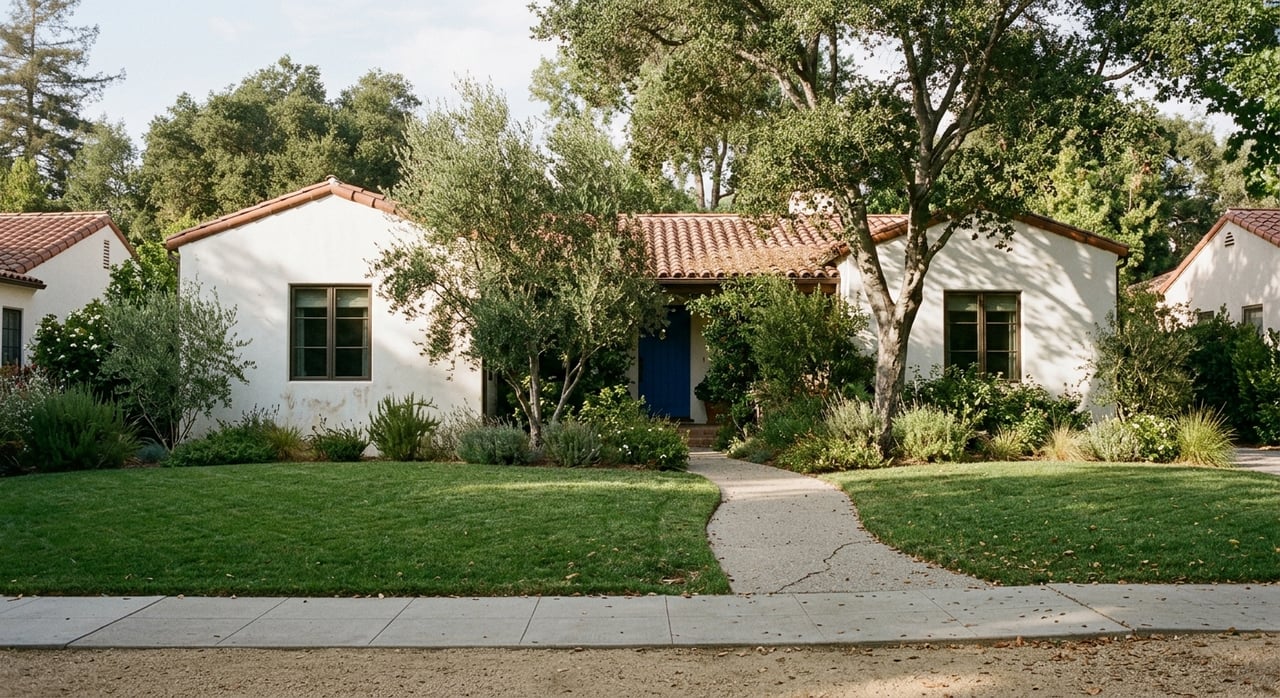
If you are moving from Los Angeles, it helps to reset expectations around housing style. SCAG data shows that 67.6% of Thousand Oaks housing stock is single-family detached, 11.2% is single-family attached, 18.6% is multifamily, and 2.6% is mobile home. In plain terms, this is primarily a suburban single-family market, with condos, townhomes, and multifamily options in the mix.
That can be a strong fit if you want a yard, more interior space, or a layout better suited to working from home. It also means your search may feel different from a more apartment-heavy part of Los Angeles. You are more likely to be comparing lot size, storage, outdoor space, and long-term flexibility.
Another local factor worth noting is the city’s accessory dwelling unit framework. Thousand Oaks allows ADUs on residentially zoned properties, including single-family, duplex, and multifamily parcels, and junior ADUs are under 500 square feet within the footprint of a single-family home. For buyers, that can create useful options for multigenerational living, guest space, or future rental income.
Is Thousand Oaks More Affordable Than Los Angeles?
Many buyers assume moving farther from Los Angeles automatically means lower home prices. In Thousand Oaks, that is not always the right lens. Census QuickFacts puts the median value of owner-occupied homes at $991,600, with median monthly owner costs of $3,580 with a mortgage and median gross rent of $2,664.
Those numbers are all above California statewide figures, which helps explain why Thousand Oaks is often better understood as a lifestyle choice rather than a bargain move. You may get a more suburban setting and a different housing mix, but that does not mean a low-cost entry point. For many buyers, the question becomes whether the space, pace, and setting are worth the price.
This is where planning matters. If you are selling in Los Angeles and buying in Thousand Oaks, your equity position, desired home type, and commute tolerance all shape what makes sense. A thoughtful move starts with a realistic budget and a clear picture of what you want your next chapter to look like.
Daily Life in Thousand Oaks
Thousand Oaks is designed in a way that supports everyday living close to home. The city highlights open space, library access, the Civic Arts Plaza, and a strong public-service framework. Conejo Recreation and Park District also offers community centers, cultural arts, youth programming, adult and senior programming, therapeutic recreation, and special events.
That matters if you are trying to build a life, not just buy a house. You may spend less time planning around congestion and more time using local parks, trails, classes, and community facilities. For many LA movers, that shift is one of the biggest quality-of-life upgrades.
Census data also points to a stable residential base, with 90.8% of residents living in the same house one year earlier. That kind of stability often appeals to buyers who want a more settled environment. It supports the idea that Thousand Oaks is not just a pass-through market, but a place where many people put down roots.
Who Thousand Oaks Fits Best
Thousand Oaks tends to make the most sense for buyers who want more space and can handle the location trade-off. That could mean a household moving out of a denser Los Angeles neighborhood, a buyer looking for a single-family home, or someone who works locally or has flexible work arrangements. It can also be a smart fit if you value access to parks, trails, and community resources as part of your daily routine.
It may be a tougher fit if your schedule requires frequent trips deep into Los Angeles at peak hours. In that case, the drive can become the defining part of your experience. The move works best when your lifestyle goals and commute reality are aligned.
How to Plan Your Move From Los Angeles
Before you make the jump, it helps to answer a few practical questions:
- How often do you need to be in Los Angeles each week?
- Are you prioritizing square footage, a yard, or a quieter setting?
- Would a condo, townhome, or detached home fit your budget best?
- Do you want a property with ADU potential or multigenerational flexibility?
- Are you comparing Thousand Oaks to other nearby suburban options?
When you get clear on those answers, your search becomes much easier. Instead of asking whether Thousand Oaks is better than Los Angeles, you can ask whether it better supports the way you want to live. That is usually the more useful question.
If you are weighing a move from the Valley or greater Los Angeles into Thousand Oaks, having local guidance on both sides of that transition can make a big difference. Meghan Nyback can help you evaluate timing, pricing, and neighborhood fit so your move feels strategic from day one.
FAQs
Is Thousand Oaks a good choice for Los Angeles commuters?
- It can be, but it is generally a better fit for people with local jobs, westward commutes, or flexible schedules than for those driving deep into Los Angeles every day.
What kind of homes are most common in Thousand Oaks?
- Detached single-family homes are the most common housing type in Thousand Oaks, with townhomes, condos, multifamily properties, and some mobile homes also part of the local mix.
Is Thousand Oaks cheaper than Los Angeles for homebuyers?
- Not necessarily. Thousand Oaks offers a different lifestyle and housing mix, but official Census figures show relatively high home values, owner costs, and rents.
What is daily life like in Thousand Oaks for new residents?
- Daily life is more suburban and lower density, with strong access to open space, trails, parks, recreation programs, arts facilities, libraries, and community resources.
Can you build an ADU on a Thousand Oaks property?
- The city allows ADUs on residentially zoned properties, including single-family, duplex, and multifamily parcels, subject to local rules.
Why do Los Angeles buyers move to Thousand Oaks?
- Many buyers are looking for more space, a quieter setting, a stronger suburban feel, and better access to outdoor amenities while still staying within reach of the greater LA region.