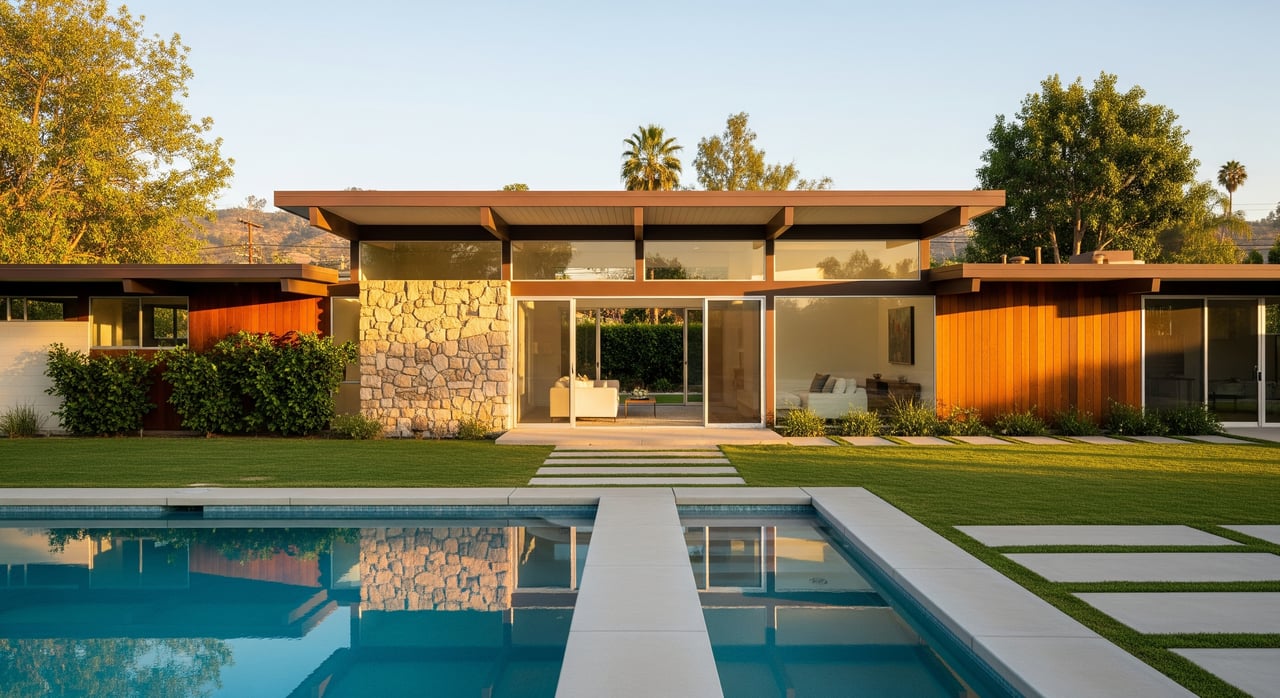
You know a great mid‑century when you feel it: the light, the lines, the indoor‑outdoor flow. Pricing one in Studio City takes more than a simple price‑per‑square‑foot. You want a number that respects the architecture, aligns with current buyer demand, and moves you to your next chapter without leaving money on the table. In this guide, you’ll learn how to read the market, select the right comps, choose smart updates, and present your home so the price makes sense to buyers and appraisers. Let’s dive in.
Studio City market reality
Studio City sits at the center of the Valley, close to entertainment hubs, Ventura Boulevard, and freeway access. That location draws professionals, families, and design‑minded buyers who value convenience and style. Within Studio City, flat parcels and hillside lots with views create distinct submarkets, so pricing depends on exactly where you sit and what your lot offers.
Interest rates, inventory, and seasonality shape momentum. When inventory is tight and you price correctly, distinctive mid‑century homes can attract strong interest. In softer stretches, niche architectural value still matters, but you may need targeted marketing and disciplined pricing to reach the right buyer.
What drives value in a mid‑century home
Signature architecture and authenticity
Buyers pay attention to open plans, clerestory windows, post‑and‑beam details, and indoor‑outdoor flow. Intact original finishes like terrazzo, built‑ins, and period hardware can earn a premium when well preserved. If the home has documented architect attribution or is recognized in local surveys, that provenance can further support price for the right audience.
Condition and systems that matter
Roof, foundation, HVAC, electrical, and plumbing condition directly influence marketability in Los Angeles. Documented seismic improvements and clear inspection reports increase buyer confidence. Original features are a plus when maintained, but deteriorated finishes can shift perception toward near‑term rehab costs.
Permits and compliant square footage
Permitted work adds value and reduces friction with lenders. Unpermitted additions or garage conversions often receive negative adjustments or are excluded from valuation. If you can, bring past work into compliance or price with those realities in mind.
Lot, views, and outdoor amenities
Hillside lots with canyon or valley views typically command a premium compared to flat parcels without views. Privacy, patios, pools, and landscape integration can boost perceived value when they enhance the home’s flow and everyday use.
How to pick the right comps in Studio City
Start in your micro‑neighborhood
Prioritize recent closed sales on your street or nearby blocks. For mid‑century homes, architectural similarity often matters more than simple age. If you have to expand the radius, adjust for location differences like views or traffic.
Match renovation level and permitted area
Compare your home to properties with similar kitchen and bath updates, and the same approach to preserving original elements. Confirm permitted square footage for each comp, since lenders weigh it heavily.
Adjust for views, layout, and extras
Account for lot quality, privacy, indoor‑outdoor connection, pools, and patios. If your home has documented architect attribution or stands out in a recognized mid‑century enclave, that distinction can justify an upward adjustment versus non‑attributed comps.
Appraisal and buyer search bands
Appraisers rely on recent nearby sales and may use less‑similar comps if inventory is thin, which increases appraisal risk. Also remember that buyers search in price bands. A small price shift that crosses a common threshold can change who sees your listing.
Quick comp checklist
- 3–6 closed sales from the last 6–12 months in the same micro‑neighborhood.
- 6–12 active or pending listings to understand current competition and buyer expectations.
- Renovation level, lot type, and view differences documented for each comp.
- Permit status for added square footage and remodeled spaces.
- Price histories and days on market to gauge sensitivity and momentum.
Smart updates before you list
High‑impact improvements buyers notice
- Kitchen function and lighting that respect mid‑century proportions.
- Bath updates with durable materials and period‑friendly style.
- Systems: electrical panel upgrades, reliable HVAC, and roof work when needed.
- Termite treatment and clean reports to reduce escrow friction.
- Window and slider performance improvements that keep the aesthetic intact.
- Seismic and foundation work documented by professionals.
Preserve the mid‑century soul
Refinish original hardwoods, refresh grout, and repaint with neutral palettes that highlight lines and light. Keep signature elements like exposed beams and built‑ins whenever practical. Avoid over‑styling that hides the architecture.
When not to over‑improve
Ultra‑luxury finishes that outprice the neighborhood can extend days on market. A full contemporary overhaul may not pencil if nearby comps do not support the higher band. Focus on function, safety, and presentation that fits local expectations.
Pricing strategy to reduce days on market
Set the first price right
Your initial list price shapes perceived value, buyer pool, and search visibility. Pricing too high often leads to longer days on market and reductions. Pricing close to market value, with a clear rationale, can shorten time on market and invite multiple offers when inventory is limited.
Presentation that earns your number
Use professional photography that emphasizes lines, light, and indoor‑outdoor flow. Provide a floor plan so buyers can understand how the spaces connect. Share an architectural write‑up and a concise sell packet that includes permits, receipts, and inspection summaries.
Open houses and targeted marketing
Schedule focused open houses and consider twilight photos if natural light is a selling feature. Reach design‑minded audiences through architecture and modern design channels. Keep staging minimalist and scaled to highlight proportions and sightlines.
When to pivot if activity stalls
If showings or offers lag, review your comp set and reposition quickly. Consider strategic concessions, like credits for desired upgrades, rather than broad price cuts to bridge appraisal or inspection concerns. Quick, data‑backed adjustments help you maintain momentum.
Disclosures, permits, and inspections in California
Be ready with a Transfer Disclosure Statement and Natural Hazard Disclosure. For homes built before 1978, include the federal lead‑based paint disclosure. Termite and wood‑destroying pest inspections are common, and many buyers will expect clarity on permit history for remodels and additions.
Consider pre‑listing inspections for general condition, roof, HVAC and electrical, sewer line, and termite. If there are signs of settlement, consult a structural or seismic professional. Clean reports or clear documentation of known issues with estimates can boost buyer confidence and support your price.
A simple plan to price your Studio City mid‑century
- Validate your goals. Define timeline and must‑have outcomes so pricing aligns with your move.
- Pull the right comps. Focus on your micro‑neighborhood, architecture, lot type, and permitted area.
- Inspect and document. Tackle system updates or provide bids and permits to support value.
- Make targeted updates. Improve function, safety, and presentation without losing authenticity.
- Stage and plan media. Use pro photos, a floor plan, and a focused architectural write‑up.
- Set a strategic list price. Stay close to market value and consider search‑band thresholds.
- Launch and listen. Track traffic and feedback, adjust quickly, and use credits if needed to bridge concerns.
Ready to price with confidence and a plan that respects your home’s architecture? Connect with Meghan Nyback for a local market analysis, a prep plan, and premium presentation that helps you sell smart.
FAQs
How do I price a mid‑century home in Studio City?
- Start with recent, nearby mid‑century comps that match lot type, renovation level, and permitted square footage, then adjust for views, authenticity, and indoor‑outdoor amenities.
What mid‑century features add the most value?
- Open plans, post‑and‑beam details, clerestory windows, quality indoor‑outdoor flow, preserved original finishes, and documented architect attribution can all support a stronger price.
Do I need to renovate before listing my Studio City mid‑century?
- Focus on high‑impact updates like systems, functional kitchens and baths, and cosmetic refreshes that preserve signature elements, rather than full luxury overhauls that may not return cost.
How do unpermitted additions affect my sale price?
- Unpermitted space usually reduces marketability and may be excluded by appraisers, so resolve permits when practical or price accordingly with clear disclosure.
How can I avoid a long time on market?
- Set a data‑backed initial price near market value, present the home with strong visuals and documentation, target design‑minded buyers, and adjust quickly if activity stalls.
What disclosures and inspections should Studio City sellers prepare?
- Provide the Transfer Disclosure Statement, Natural Hazard Disclosure, lead‑based paint disclosure if applicable, and termite reports, plus pre‑listing inspections and permit documentation where possible.