Considering a move to Lake Balboa? Picture morning walks by the water, easy access to green space, and a calm, suburban feel within Los Angeles city limits. If you want more room to breathe without leaving the Valley, this neighborhood often lands on the shortlist. In this guide, you’ll get a clear look at daily life, housing, commuting, and practical tips so you can decide if Lake Balboa matches your goals. Let’s dive in.
Lake Balboa at a glance
Lake Balboa sits in the San Fernando Valley, within the City of Los Angeles. The neighborhood takes its name from the man-made lake at Anthony C. Beilenson Park and the surrounding Sepulveda Basin Recreation Area. You get a residential vibe, tree-lined streets, and broad access to outdoor space while staying close to major job centers.
You’ll find a mix of long-time residents and newer arrivals who value relative affordability compared to some nearby areas. Many households choose Lake Balboa for the parks, yards, and a slower pace that still connects well to the rest of LA.
Parks and outdoor life
The lake is the heart of the neighborhood. On any given day, you’ll see walkers circling the shoreline, families picnicking, and paddle boats on the water. The loop paths are great for jogs, stroller walks, and casual rides. Bird-watchers frequent the nearby wildlife areas, and the open fields draw weekend soccer and baseball games.
The Sepulveda Basin Recreation Area links multiple open spaces, including the Sepulveda Basin Wildlife Reserve and a network of multi-use paths. If you like to keep a steady routine, you can build daily habits around the park: morning dog-walks, mid-day bike loops, and sunset strolls.
For organized activities, look to local recreation centers for youth sports, adult leagues, and community classes. Schedules and offerings change throughout the year, so it’s smart to check with the City of Los Angeles Department of Recreation and Parks when you’re planning your calendar.
Local eats and everyday errands
Lake Balboa’s essentials are clustered along major arterials. You’ll find neighborhood markets, pharmacies, dry cleaners, coffee shops, casual restaurants, and small service businesses in a short drive. Larger supermarkets and shopping centers sit along nearby corridors, which makes weekly errands simple.
Dining trends toward laid-back local spots. Think family-run restaurants, grab-and-go lunch counters, and a range of cuisines that reflect the Valley’s diversity. For a typical day, you might grab a morning coffee at a neighborhood cafe, pick up a quick sandwich or taco for lunch, and save a comfortable sit-down meal for the evening.
Healthcare is straightforward, with primary care offices, dentists, and urgent care clinics in and around the neighborhood. Several Valley hospitals are a short drive away, giving you options for specialty care and emergencies.
Getting around
Most residents rely on cars for daily errands and commuting. Lake Balboa offers practical freeway access, with the 101 and 405 close by and connections to I-5 through Valley routes. This makes trips to nearby job hubs, media studios, and retail corridors manageable, especially when you can time your drives around peak hours.
Public transit is available through LA Metro bus lines, with connections to the G Line bus rapid transit corridor for east–west trips across the Valley. Transit can work well for certain commutes, especially if your workplace is near a G Line connection or you prefer a park-and-ride routine.
Walking and biking are part of the picture, particularly near the park and retail nodes. Paved, multi-use paths around the Sepulveda Basin offer easy loops for exercise or leisure rides. Many daily errands still happen by car, but you’ll see residents choosing bikes or walking for short trips.
Parking is typically manageable on residential streets, though it can get busy around parks and retail on weekends. Always check posted signs for street sweeping and any block-specific restrictions.
Homes and architecture
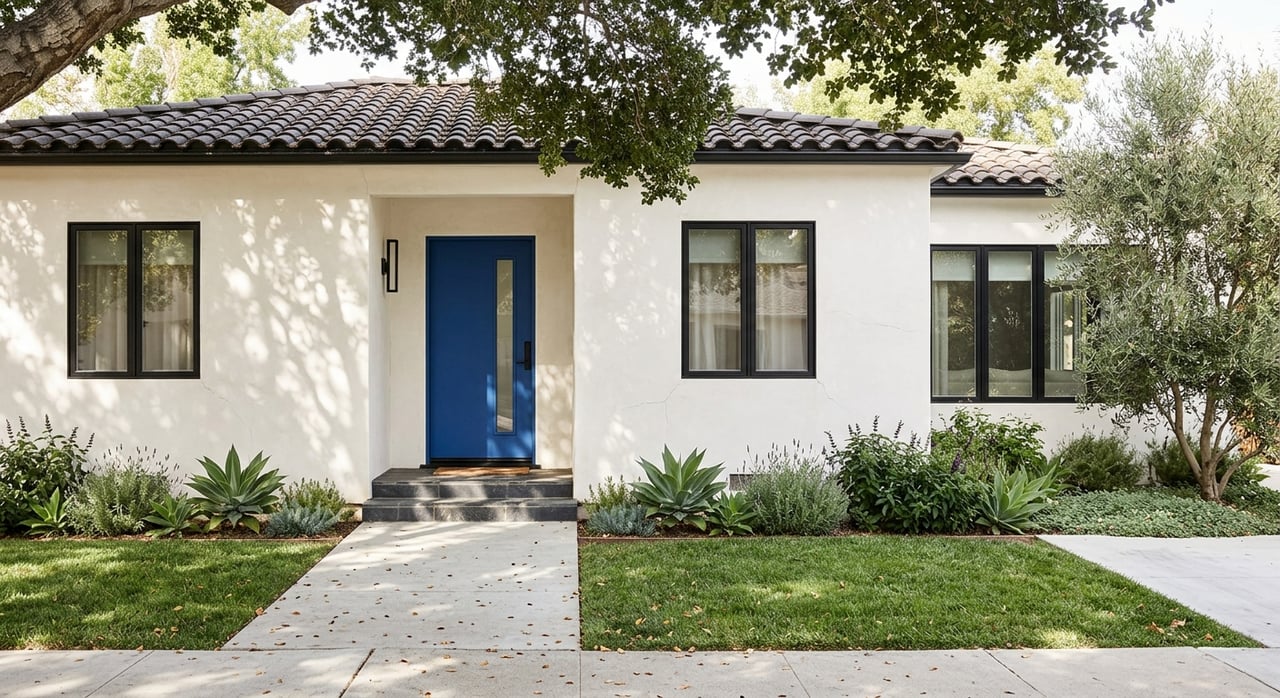
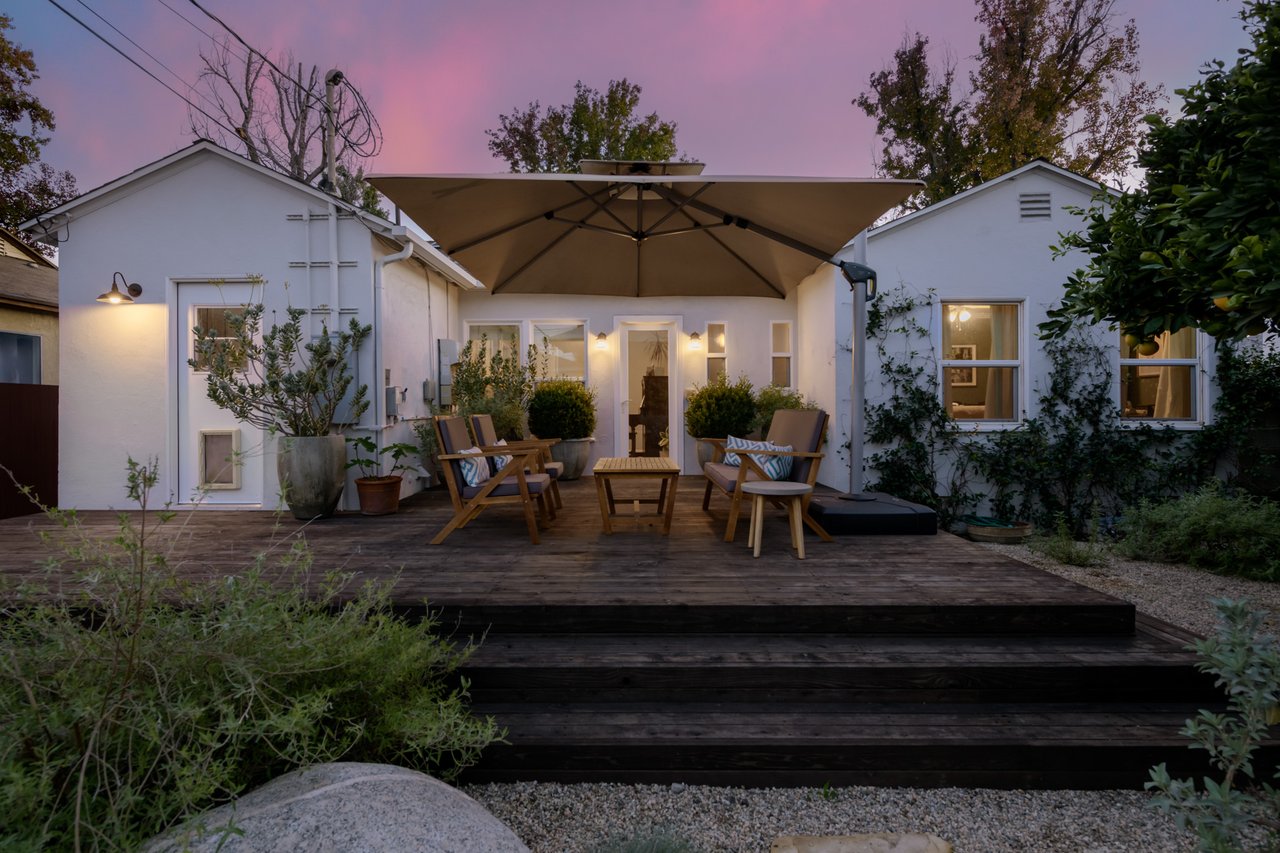
Housing in Lake Balboa leans single-family, with a strong mix of postwar bungalows, ranch-style residences, and mid-century homes. You’ll also see smaller condo communities and apartment buildings tucked along the main corridors. Many homes date from the 1940s through the 1970s, with a steady rhythm of renovations and updates over time.
Lot sizes tend to be larger than denser parts of central LA, which appeals if you want a yard, garden space, or room for outdoor entertaining. Accessory dwelling units (ADUs) are common across Los Angeles and can be a smart way to add flexibility for guests, multigenerational living, or potential rental income, subject to city rules.
If you’re beginning your search, it helps to think in scenarios. Some shoppers focus on a starter single-family home that needs light updates. Others look for a move-in-ready option with a modern kitchen and a finished yard. A third group seeks larger homes or corner lots with space for an ADU project. Define your priorities early so you stay focused as listings come on the market.
Schools and learning
Lake Balboa is served by the Los Angeles Unified School District. School boundaries and assignments can vary by address, and programs often evolve over time. Many households review LAUSD resources, visit schools, and consider private or parochial options nearby to find the best fit for their needs.
Parks and recreation centers often host after-school activities and seasonal camps. These programs can be a helpful bridge for busy schedules and a way to build community.
Practical notes and services
City services such as trash and recycling are provided by the City of Los Angeles. Street sweeping schedules and parking rules vary block by block, so it is wise to check posted signs as soon as you move in.
Parts of the Sepulveda Basin are managed for flood control. If you’re shopping near the Basin, ask about any floodplain designations and review insurance guidance before you close. For broader risk planning, remember that earthquake insurance in California is a separate policy from standard homeowners insurance.
Public safety is an important part of quality of life. Residents often review LAPD crime mapping tools to understand trends and pay attention to typical issues like property crime vs. violent crime. As you evaluate blocks and micro-areas, it helps to visit at different times of day and talk with neighbors.
A day in Lake Balboa
Here’s how daily life might look, depending on your routine:
- Family-focused morning: Walk the dog along the lake path, drop off at school, and grab coffee on a neighborhood corner. Afternoon soccer practice at a local field, picnic by the water, and dinner at a nearby favorite.
- Young professional day: Quick ride to a coworking space or studio nearby, lunch at a casual spot along a main corridor, and a short evening drive for a movie or music event in the Valley.
- Low-key weekend: Bird-watching at the wildlife reserve, meetups at the community center, and an easy bike loop along the paths before heading to dinner.
Is Lake Balboa a fit for you?
Choose Lake Balboa if you value park access, a relaxed suburban feel within LA, and homes with room to spread out. You can build a year-round outdoor routine, keep errands simple, and still reach major job centers with straightforward freeway access. If you want a yard, space for an ADU, or a quieter block near daily conveniences, this neighborhood fits the brief.
If you’re getting serious about a move, start with your must-haves and nice-to-haves. Then walk the areas you like, time a few drives to work, and explore community programs. When you’re ready, tap local expertise to match your budget and timeline to the right options.
Thinking about buying, selling, or relocating within the Valley? For hands-on guidance, premium marketing, and local insight, connect with Meghan Nyback. Whether you need staging and project management, a tailored home search, or property management and tenant placement, you’ll get a plan designed around your goals.
FAQs
Is Lake Balboa safe for everyday living?
- Safety perceptions vary by block and over time, so review LAPD crime mapping, visit at different hours, and speak with neighbors to get a current, street-level view.
What is the commute like from Lake Balboa?
- Most residents drive using the 101 and 405 with connections to I-5, while the G Line and local buses provide transit options; plan buffers for peak traffic and consider park-and-ride when it suits your route.
What types of homes are common in Lake Balboa?
- You’ll see single-family bungalows and ranch homes from the mid-20th century, plus smaller condo buildings and apartments, with many properties offering yard space and ADU potential.
Are there good school options near Lake Balboa?
- The area is served by LAUSD with boundaries that vary by address, and many households also explore nearby private or parochial schools and visit campuses to assess fit.
What outdoor activities can I do year-round in Lake Balboa?
- Walking and jogging around the lake, paddle boating, casual cycling on multi-use paths, youth and adult sports leagues, and bird-watching in the wildlife areas are all popular.
Can I live in Lake Balboa without a car?
- Some residents rely on bikes, walking, and buses near park and retail nodes, but many daily errands and commutes are easier by car given the neighborhood’s layout.