If you want a neighborhood where outdoor living feels built into your routine, Woodland Hills deserves a close look. Between the warm climate, nearby trails, and homes that often open directly onto patios and backyards, it offers the kind of setting where morning coffee, evening dinners outside, and quick park outings can feel normal instead of occasional. Whether you are thinking about buying or simply getting to know the area better, this guide will show you how outdoor life really works here. Let’s dive in.
Why Woodland Hills Feels Outdoor-Oriented
Woodland Hills sits in the southwest San Fernando Valley, shaped by the valley plain, the Chalk Hills, and the nearby Santa Monica Mountains. According to Los Angeles City Planning, that landscape has helped create a neighborhood with substantial residential development and a strong connection to hillsides, views, and open space.
That setting matters in everyday life. In Woodland Hills, outdoor living is not just about a special weekend plan. It is often part of how you use your home and your neighborhood from one day to the next.
Climate Supports Year-Round Use
One reason outdoor living stands out here is the weather. NOAA climate normals for Woodland Hills show an annual mean temperature of 66.3°F and annual precipitation of 16.41 inches, with rain concentrated in the cooler months and very dry conditions from June through September.
Winter tends to be mild, with January and February average highs around 70°F. Summer is much hotter, with average highs around 95°F in July and 97°F in August. That means you can use outdoor space through much of the year, but summer comfort depends a lot on shade, smart landscaping, and features that help manage heat.
What This Means for Daily Life
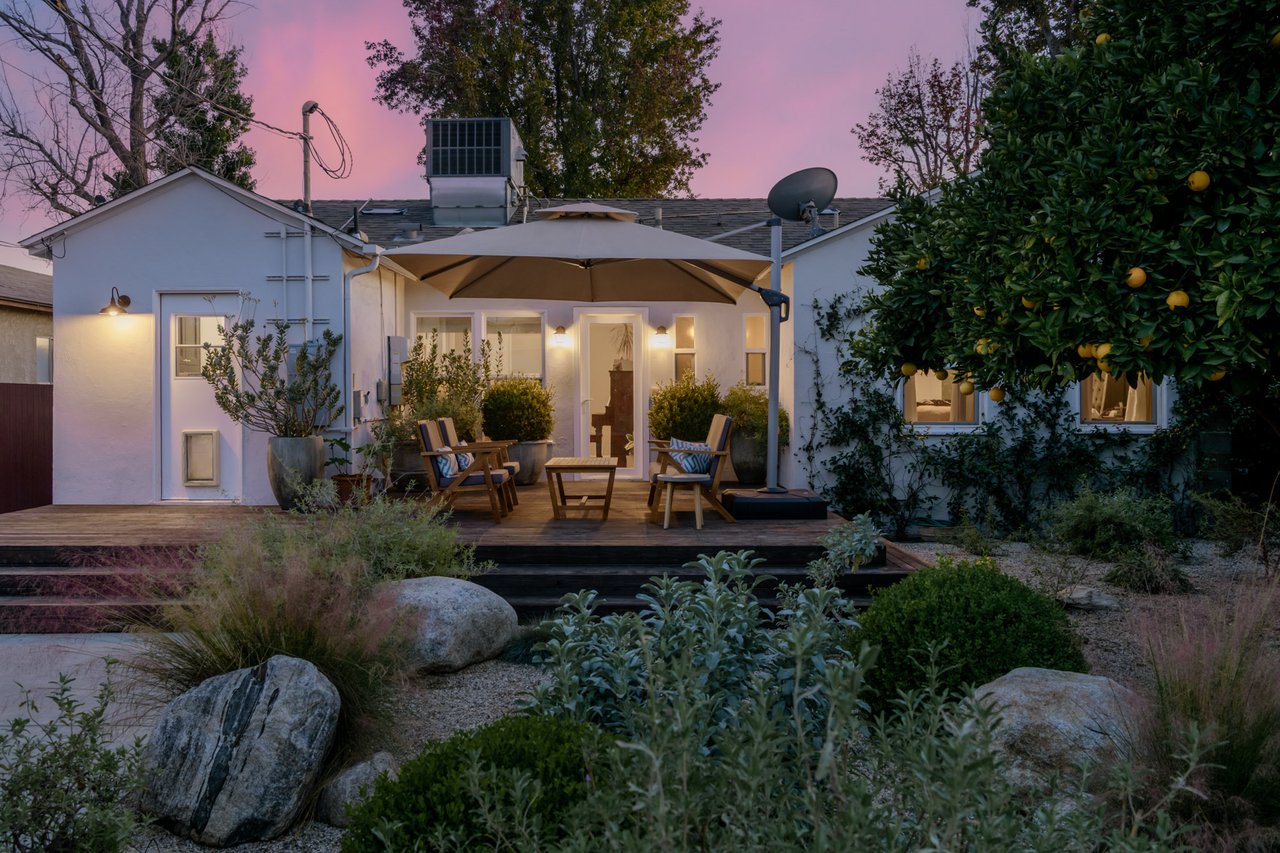
In practical terms, Woodland Hills supports a long patio season. You may find yourself using a yard for casual dinners, relaxing by a pool, reading under a covered patio, or spending time outdoors in the cooler morning and evening hours.
At the same time, not every backyard works the same way in peak summer. Homes with pergolas, mature trees, covered seating areas, and strong indoor-outdoor flow often feel especially functional when temperatures rise.
Nearby Trails Are a Big Lifestyle Perk
If your idea of outdoor living goes beyond the backyard, Woodland Hills has a strong advantage. Topanga State Park is one of the area's signature outdoor assets, with 36 miles of trails through open grassland, live oaks, and views toward the Pacific Ocean. California State Parks also notes that you can reach the park from Woodland Hills by taking Topanga Canyon Boulevard south from Highway 101.
That is only part of the picture. The Santa Monica Mountains National Recreation Area includes more than 500 miles of public trails, and the Backbone Trail provides 67 miles of connected trail experience across the range. The area includes coastal sage scrub, chaparral, oak woodland, riparian woodland, and valley grassland, which helps explain the variety of scenery nearby.
Why Access Matters
For many buyers, convenience changes everything. It is one thing to live somewhere with outdoor recreation somewhere in the region. It is another to have trail networks and canyon routes close enough that a hike can fit into a regular week.
That easy access can make Woodland Hills appealing if you want a home base that balances residential comfort with a quicker path to open space. You are not choosing between city living and outdoor time in quite the same way.
Parks Add Everyday Convenience
Outdoor life in Woodland Hills is not limited to hiking. Local parks and recreation spaces also support a more casual, in-town routine.
Warner Center Park offers picnic tables and a bandshell, and city materials describe it as about 15 acres with picnic areas, a playground, an outdoor fitness zone, a pavilion, and free summer concerts. The Woodland Hills Recreation Center is an 18.76-acre facility with multipurpose fields, a swimming pool, picnic areas, play areas, and an outdoor classroom or amphitheater.
These spaces help round out the neighborhood lifestyle. If you want options for a playground visit, a swim, a community event, or a simple afternoon outside without leaving the neighborhood, Woodland Hills gives you several ways to do that.
Homes Often Reflect Indoor-Outdoor Living
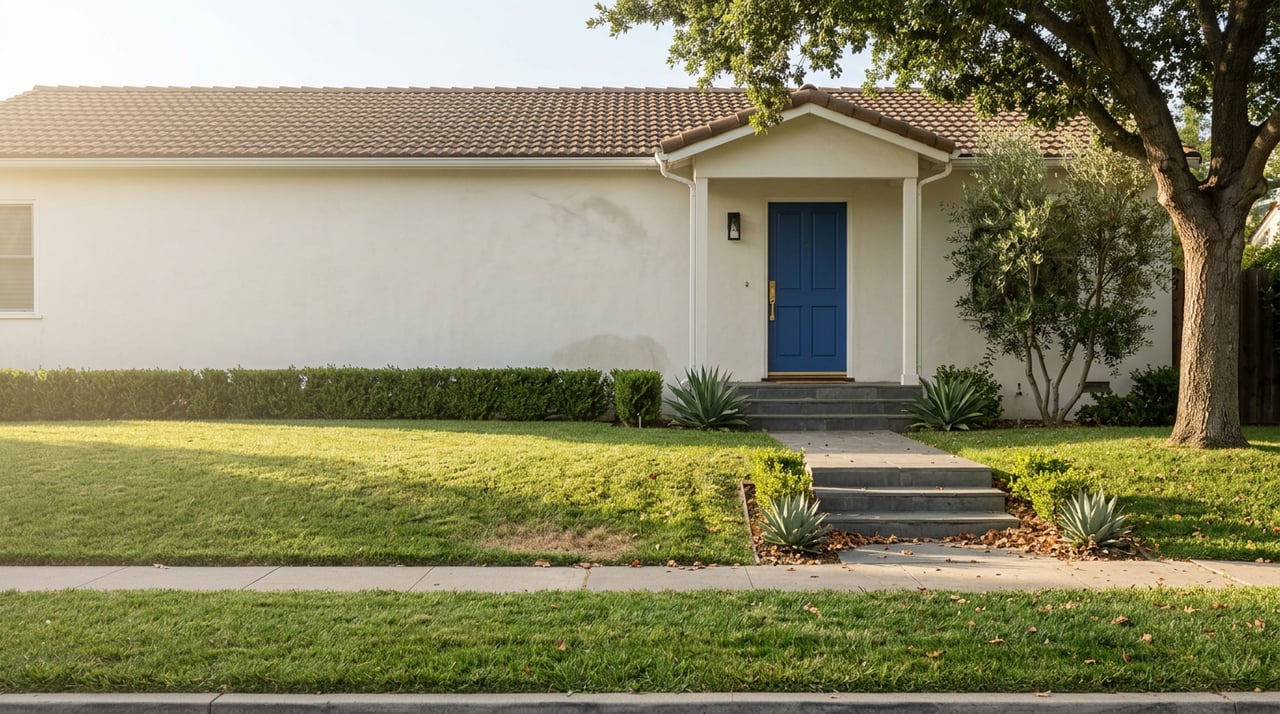
Woodland Hills housing patterns also support the lifestyle story. Planning documents show that parts of the neighborhood include postwar single-family tracts with strong indoor-outdoor design features. The Corbin Palms Planning District includes 1950s single-family homes in the Mid-Century Modern style, while the Eastwood Estates Historic District was built with larger parcels and larger houses.
Those same planning materials point to tract characteristics like consistent lot sizes, setbacks, sidewalks, and palms. Together, those details contribute to a spacious, yard-friendly feel that many buyers still notice today.
Features Buyers Often Appreciate
In a neighborhood like Woodland Hills, some home features tend to stand out more than others because they support the climate and the way people want to live. Buyers often pay close attention to:
- Covered patios or pergolas
- Mature trees for natural shade
- Pools and usable pool decks
- Fire pits or evening gathering areas
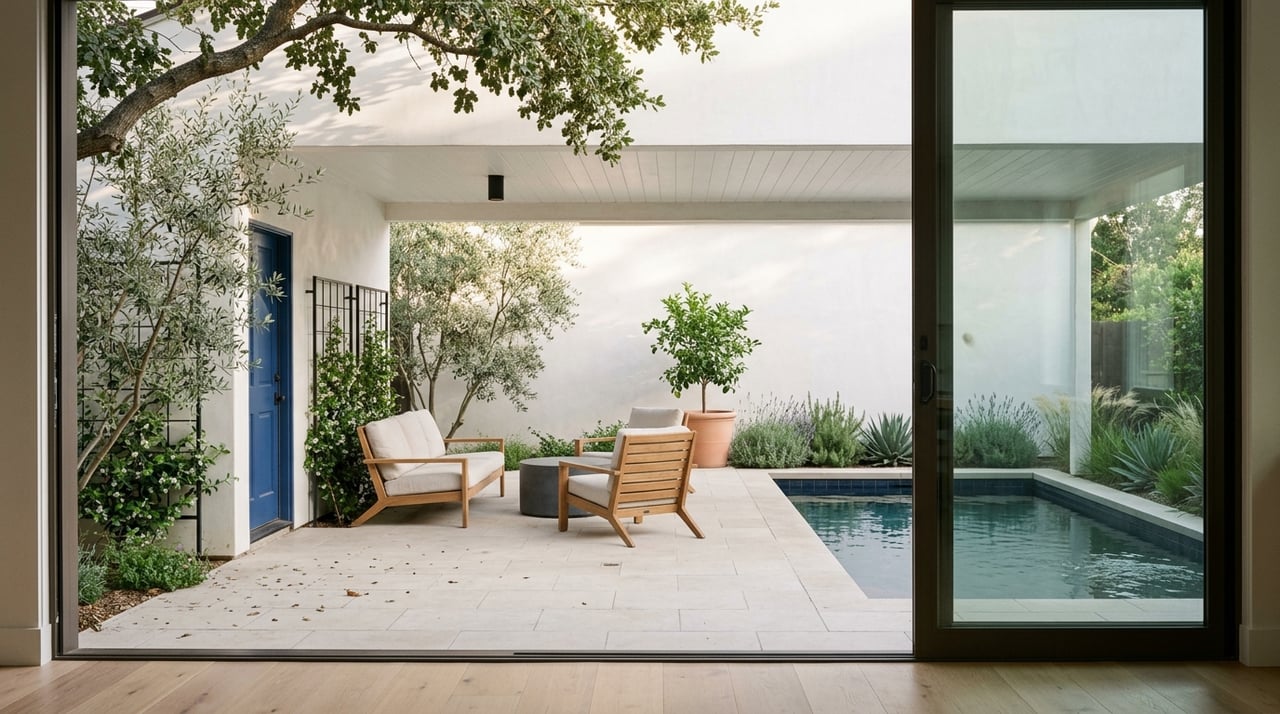
- Large sliding doors or glass openings to the yard
- Flexible outdoor areas for dining, lounging, or work-from-home overflow
These features matter because they can extend how often you actually use the space. A backyard that looks good is one thing. A backyard that feels comfortable and connected to the house is usually much more valuable in daily life.
Outdoor Living Looks Different by Home
Not every Woodland Hills property offers the same setup, and that is important if you are house hunting. Some homes may have larger lots with room for a pool, garden, detached workspace, or multiple seating areas. Others may offer a more compact yard that still works well for dining, pets, or low-maintenance outdoor time.
The key is to think about how you want to live, not just how a yard photographs. If outdoor living is a priority, it helps to look closely at shade, privacy, sun exposure, and how easily the interior connects to the outside.
What to Look for as a Buyer
If you are exploring Woodland Hills homes, it helps to evaluate outdoor space with the local climate in mind. Since summers are hot and dry, design details can have a big impact on comfort and upkeep.
Here are a few practical things to watch for:
- Shade: Look for covered patios, tree canopy, or pergolas that can make warm afternoons more usable.
- Flow: Notice whether the kitchen, family room, or main living area connects easily to the backyard.
- Yard function: Ask yourself whether the outdoor space fits how you would actually use it.
- Heat-conscious design: Pool placement, hardscape materials, and planted areas can affect how hot a yard feels.
- Maintenance level: Dry summers can make irrigation and landscape choices especially important.
A beautiful yard is great, but a usable yard is what supports your lifestyle long term.
Why Woodland Hills Appeals to Many Buyers
Woodland Hills stands out because it combines several things that do not always come together in one neighborhood. You have a residential setting shaped by hills and open space, a climate that supports outdoor use through much of the year, public parks for everyday convenience, and nearby trail access when you want a bigger outing.
For buyers who value room to spread out, entertain, recharge, or simply spend more time outside at home, that mix can feel very compelling. It is one of the reasons Woodland Hills continues to attract attention from people looking for single-family homes in the western San Fernando Valley.
If you are trying to decide whether Woodland Hills matches your lifestyle goals, it helps to look beyond square footage alone. The real value may be how naturally the neighborhood supports the way you want to spend your time.
If you are considering a move in Woodland Hills or anywhere nearby in the Valley, Meghan Nyback can help you find a home that fits the way you actually want to live, inside and out.
FAQs
Can you use outdoor space year-round in Woodland Hills?
- Mostly yes. NOAA climate normals show mild winters and dry conditions for much of the year, though summer heat makes shade and heat-conscious yard design especially important.
How close is hiking from Woodland Hills?
- Topanga State Park is accessible from Woodland Hills via Topanga Canyon Boulevard, and the broader Santa Monica Mountains trail system offers more than 500 miles of public trails nearby.
What kinds of Woodland Hills homes support outdoor living best?
- Planning documents point to postwar ranch and mid-century homes, especially those with larger lots, patios, and strong connections between interior living areas and the yard.
Is outdoor living in Woodland Hills only about trails and hiking?
- No. Local options like Warner Center Park and the Woodland Hills Recreation Center add picnic areas, play areas, fitness features, swimming facilities, and seasonal community events.
What backyard features matter most in Woodland Hills homes?
- Features that help with comfort and usability often matter most, including shade, covered patios, mature landscaping, pools, fire pits, and easy indoor-outdoor flow.