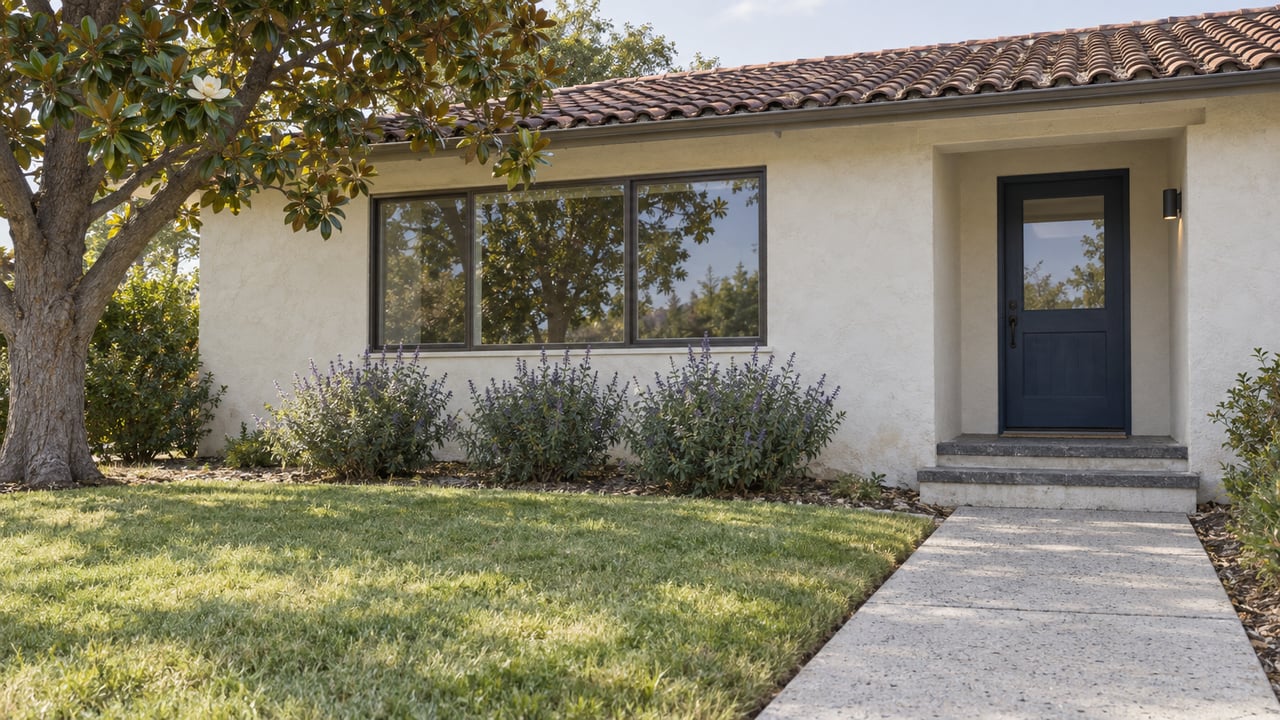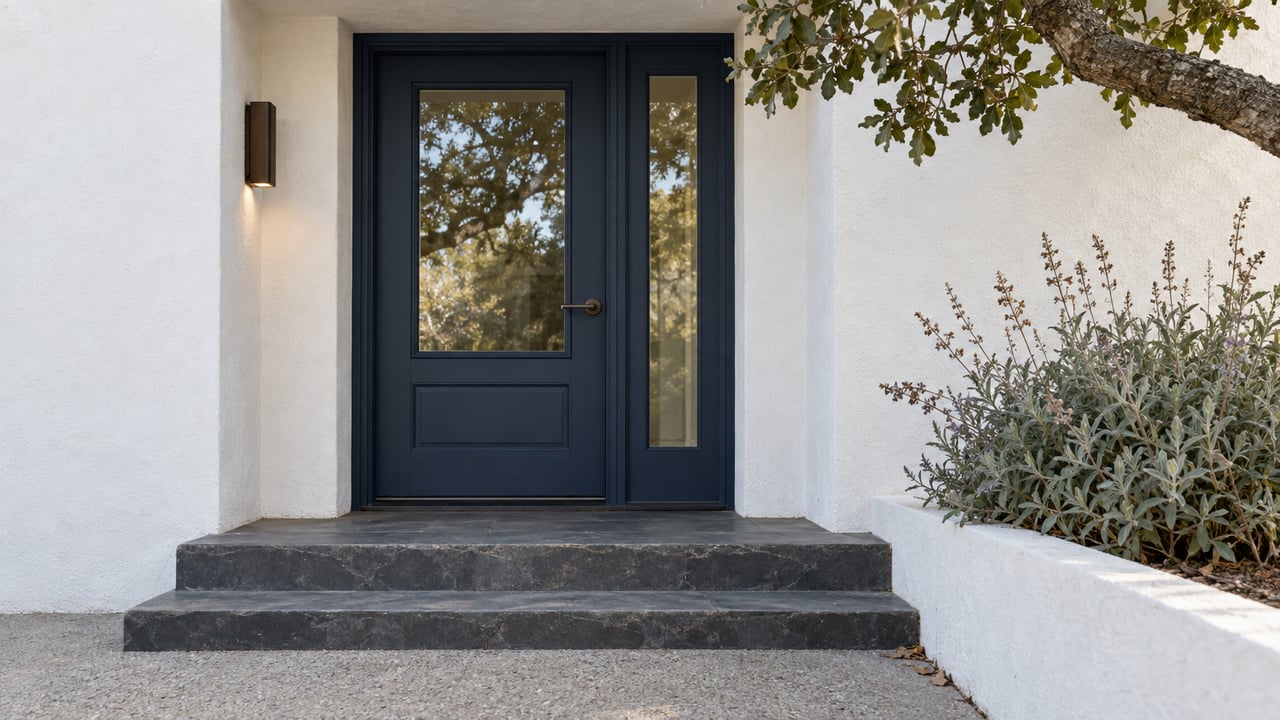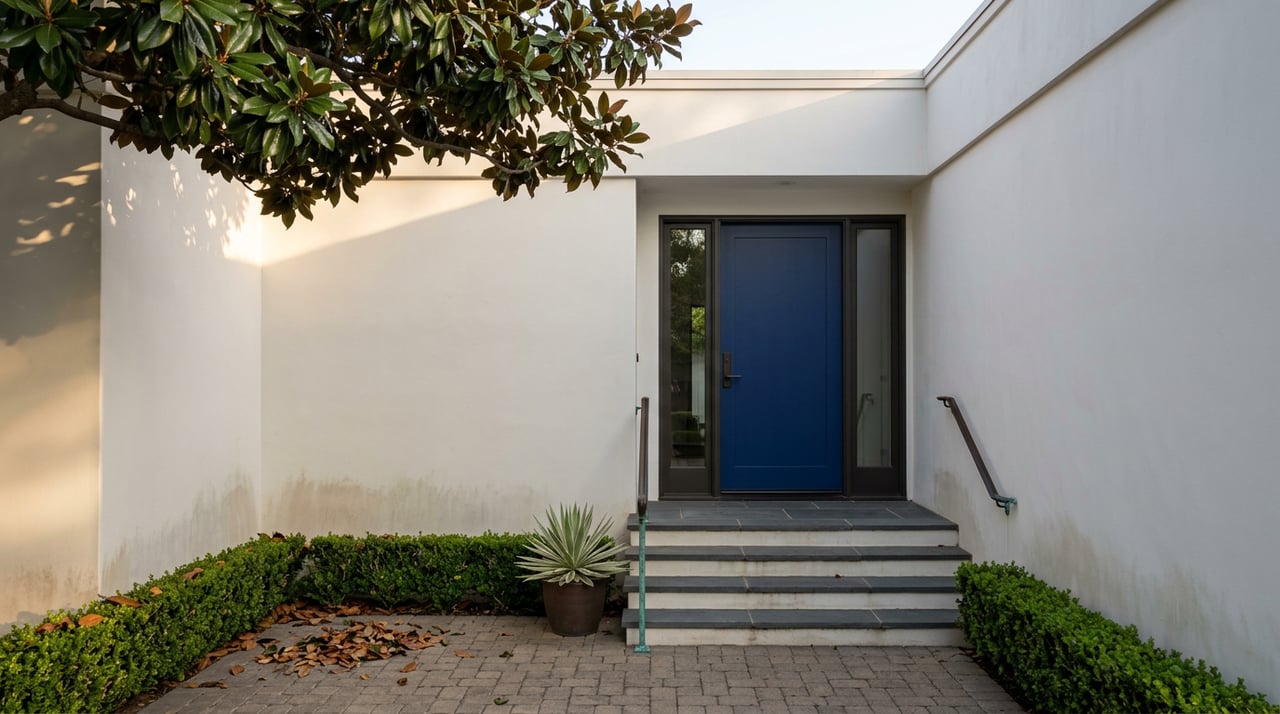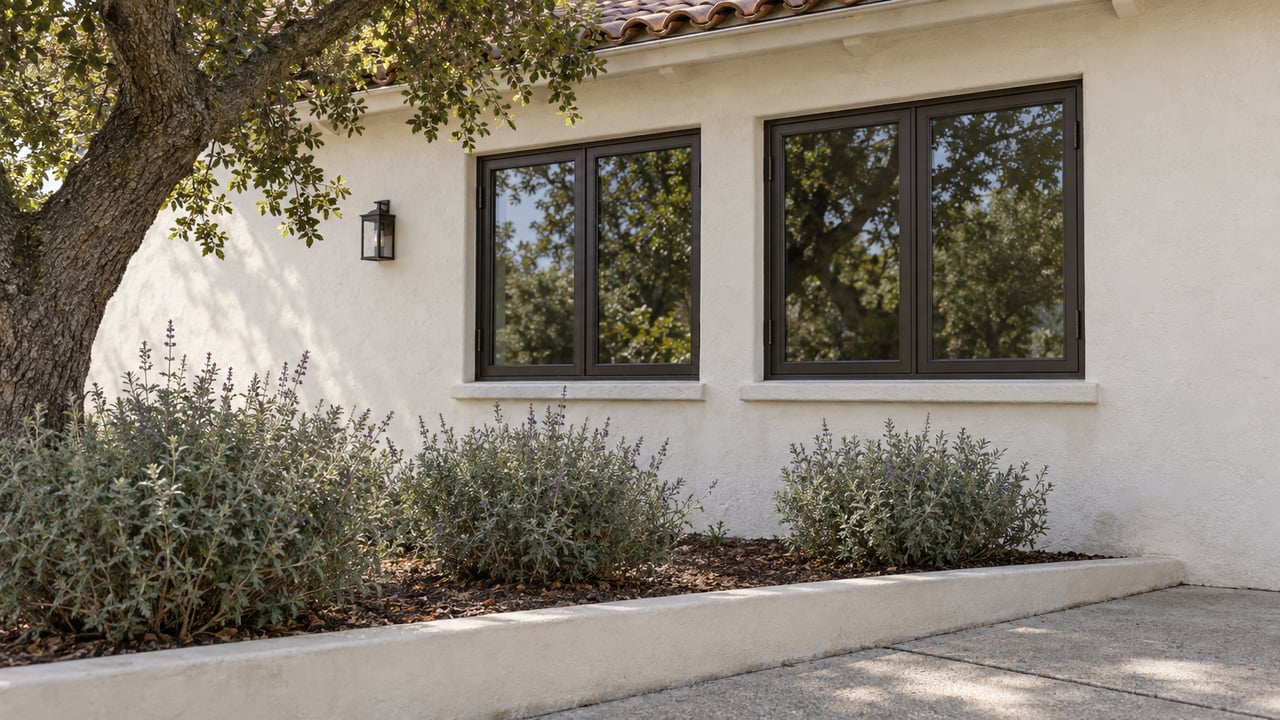
Cross Van Nuys Boulevard heading west from the airport and, on paper, nothing about the block changes. Same 1960s ranch houses. Same 7,000-square-foot lots. Same flight path overhead from one of the busiest general aviation airports in the country. But somewhere between Victory Boulevard and the eastern edge of the neighborhood, the mailing address flips from Van Nuys to Lake Balboa, and comparable homes start selling for $150,000 to $250,000 more.
That gap is real. It shows up in listing after listing for similar three- and four-bedroom houses on similar-sized lots. The interesting part isn't that the gap exists. It's that Lake Balboa, as a place with its own name, is barely old enough to vote. Lake Balboa's name and boundary were established within most current homeowners' adult lifetimes.
How Lake Balboa Got Its Name
Before 1998, the neighborhood now known as Lake Balboa was simply part of Van Nuys. Around 1998, residents in that section started calling their streets "Lake Balboa," borrowing the name from a 27-acre lake that had been filled with reclaimed water from the Tillman plant just a few years earlier. The rebrand stuck informally for nearly a decade before the Los Angeles City Council made it official in 2007, recognizing Lake Balboa as its own community.
A similar neighborhood-name change took place a few years later elsewhere in the Valley. As NBC Los Angeles reported in January 2010, homeowners in a roughly half-square-mile section of Van Nuys had petitioned to rename their streets Sherman Oaks, and the council approved it. Councilman Richard Alarcon, defending the vote, put it plainly: if residents wanted the change because they believed it would raise their property values, that was their business. Both the Van Nuys and Sherman Oaks neighborhood councils opposed the move, noting that Lake Balboa and Valley Glen had previously become separate neighborhood names from Van Nuys.
These examples show how neighborhood names can change through resident petitions and city action. The question in 2026 is whether the Lake Balboa name is associated with a price difference, or whether prices are better explained by other features of the area.
What the 2026 Numbers Actually Show
Citywide, the gap can look like evidence of a price difference associated with the Lake Balboa name. Van Nuys posted a median sold price of roughly $778,000 in March 2026, down about 7.7% from the year before. Lake Balboa, over the same window, was selling in the $850,000 to $1.2 million range for single-family homes, with a market-wide median closer to $875,000 to $882,000 that same month. By July 2026, Lake Balboa's median had settled near $859,000. Condos and townhomes in the neighborhood, for comparison, were still trading in the more modest $450,000 to $650,000 range, which tells you the premium is concentrated in the detached single-family stock, not the neighborhood as a whole.
On the surface, that's a $75,000 to $100,000 citywide gap and a $150,000-plus gap for like-for-like houses. That comparison alone might suggest a price premium associated with the 2007 name change.
But the citywide Van Nuys number is an average of very different places, and averaging is exactly what hides the real mechanism. ZIP code 91401, the Van Nuys pocket bordering Lake Balboa near Valley Glen and Sherman Oaks, was already skewing to $900,000 to $1.1 million in early 2026, driven by the same larger lots you find on the Lake Balboa side of the line. Meanwhile, ZIP codes 91405 and 91406, further from the border and closer to the airport's west side, were selling in the $750,000 to $865,000 range. The low end of Van Nuys is dragging the citywide median down. The pocket that actually touches Lake Balboa is already trading almost even with it.
The Border Doesn't Move the Price. The Lot Does.
| Typical 2026 price range | What's actually different | |
|---|---|---|
| Lake Balboa (neighborhood-wide) | $850K–$1.2M single-family; $859K median in July 2026 | 7,000–8,500 sq ft lots, direct frontage on the park and lake corridor |
| Van Nuys ZIP 91401 (border pocket near Valley Glen/Sherman Oaks) | $900K–$1.1M | Comparable lot sizes and comparable distance to the park, different address |
| Van Nuys ZIP 91405/91406 (west side) | $750K–$865K | Smaller parcels, more multifamily mixed in, closer to airport flight paths |
| Van Nuys core corridor (near Van Nuys Boulevard) | Citywide median ~$778K in March 2026 | Denser housing stock, commercial bleed, this is what pulls the average down |
Line the pockets up next to each other and the pattern is hard to miss. The Van Nuys blocks that sell closest to Lake Balboa prices are the ones with Lake Balboa-sized lots and Lake Balboa-adjacent geography. The Van Nuys blocks that sell cheapest are the ones with smaller parcels, more multifamily density, and more commercial bleed from Van Nuys Boulevard. Airport noise, for what it's worth, isn't the differentiator. Both neighborhoods sit under the same flight paths from Van Nuys Airport, so that variable cancels out on both sides of the ledger.
What's left after you control for lot size, density, and distance to the park is a much smaller residual, and that residual is the actual name premium. It's real. It's just a lot narrower than the headline citywide gap suggests, and it's concentrated at the edges of the neighborhood rather than baked evenly across every Lake Balboa-addressed house.
Where the Fight Actually Happens
This matters most at the exact moment a home near the boundary goes to appraisal. A house on a Lake Balboa-adjacent Van Nuys block can be comped two ways. An appraiser or agent can pull from nearby Lake Balboa sales, which run higher, or from the broader Van Nuys pool, which includes the lower-priced core corridor and pulls the number down. Which comp set gets used isn't a formality. It can swing a valuation by tens of thousands of dollars on a single appraisal.
For a buyer or seller sitting within a few blocks of the boundary, this is the practical takeaway. The neighborhood label on the listing tells you less than the comp set your agent or appraiser chooses to pull. A seller in the 91401 border pocket has a legitimate case for leaning on Lake Balboa comps if the lot size, distance to the park, and general character genuinely match. A buyer shopping that same pocket has an equally legitimate case for pointing at the lower Van Nuys core numbers if the specific block doesn't share those traits. Either way, the negotiation happens at the level of the block and the lot, not at the level of the neighborhood name.
What This Changes If You're Looking Right Now
The larger lots that anchor Lake Balboa's premium (typically 7,000 to 8,500 square feet, versus smaller and more variable parcels across much of Van Nuys) aren't just aesthetic. They're what makes the neighborhood one of the stronger submarkets in the Valley for ADU and SB-9 additions, since lot size is the binding constraint on how much additional unit you can add. That's a structural advantage a name change can't manufacture on its own, and it's a better reason to pay the premium than the address alone.
Timing is also worth a mention if you're weighing a move in the next couple of years. The Sepulveda Basin, which includes Lake Balboa's namesake lake and park, is slated to host several Los Angeles 2028 Olympic events. That means temporary infrastructure and traffic changes are likely during the Games window for anyone planning a sale, a purchase, or a renovation timed around that period. The Metro G Line's Balboa Station, at the north end of the park, already gives the area east-west transit access across the Valley, which is one more structural amenity that has nothing to do with what the neighborhood happens to be called.
The comparisons suggest that lot size, park frontage, and commercial density are important differences between parts of Lake Balboa and Van Nuys. The neighborhood name does not create those physical traits, and Van Nuys blocks that share them may have prices closer to Lake Balboa's, regardless of what the mailing address says.
If you're weighing a specific block near that line, whether the address reads Lake Balboa or Van Nuys, the lot size and the comp set matter more than the label. Meghan Nyback has walked these streets long enough to tell you which side of the boundary actually earns its price. Make that move: get your free home valuation and find out what your specific block is really worth.
This article is general information, not legal, tax or financial advice. Consult a qualified professional about your situation.